A recent Harris Poll commissioned by the Digital Currency Group (DCG) found that 75% of Americans favor decentralized AI (DeAI) over centralized models. A striking 88% of respondents state that if AI is using their personal information and data, they should have more control over it. This widespread public preference is rooted in a growing awareness of the dangers posed by centralized AI systems.
As artificial intelligence becomes more embedded in our daily lives, serving as our personal assistant, coding aid, graphic designer, cooking helper, and even psychiatrist, the debate over who controls it is intensifying. At the center of this conversation lies a critical question: what will happen to the fabric of human societies if we leave AI in the grip of powerful corporations and governments?
The DCF has already explored innovative use cases born at the intersection of blockchain and artificial intelligence. Today, we’ll argue that if we collectively strive for transparency, fairness, and pluralism of opinions, DeAI is the only possible alternative to centralized AI.
Centralized AI: A Threat to Democracy and Accountability
Currently, AI’s progress is in the hands of Big Tech corporations like Microsoft, Google, and Meta. What’s more, since artificial intelligence is a heavily resource-intensive industry and needs significant funding, the AI race has turned into a matter of national pride, with the USA and China fighting for the leading position.
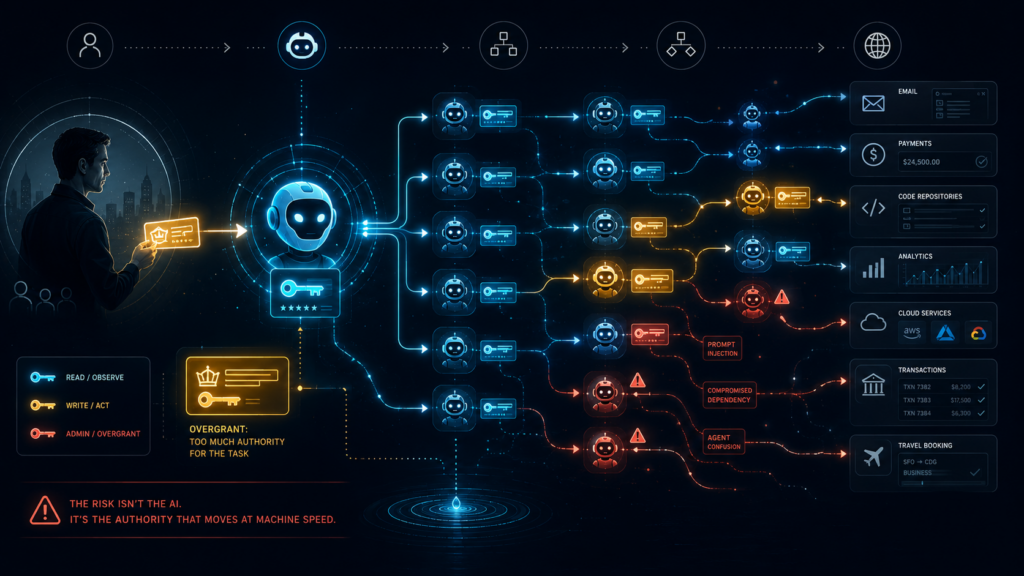
As with any other powerful technology, the dangers of centralized AI are multifaceted and deeply consequential. Concentrating too much power in the hands of the few usually happens at the expense of democratic oversight, individual rights, and public accountability.
Centralized AI could become an enormous threat to democracy by enabling surveillance, shaping public discourse, and reinforcing existing social inequalities. But the risks are no longer hypothetical. Proprietary AI models have already been caught producing biased, misleading, or even dangerous outputs. From facial recognition systems with racial bias to language models generating harmful content, centralized AI has repeatedly failed key ethical and societal tests.
Data and Pluralism
Centralized AI systems rely heavily on vast amounts of user data, often collected with minimal transparency and consent. These systems operate as opaque black boxes, leaving users with little understanding of how decisions are made or what information is influencing outcomes. This lack of visibility not only undermines trust but also makes it nearly impossible to hold systems accountable for errors or harm. The single point of failure existing with centralized models also increases the risk of leaks, exploitation, or government overreach.
Moreover, AI subtly shapes the landscape of ideas and discourse. By generating content based on dominant data patterns and optimizing for engagement or advertiser preferences, the centralized models tend to reproduce mainstream narratives while sidelining minority viewpoints. This homogenization of information can erode pluralism, leading to an environment where conformity is rewarded and dissenting, or unconventional perspectives are drowned out. As people increasingly rely on AI-generated content for news, education, and creativity, the narrowing of acceptable viewpoints threatens intellectual diversity and democratic dialogue.
Beyond Surveillance Capitalism
One of the most pressing concerns with centralized AI is its deep entanglement with surveillance capitalism —a model in which personal data is commodified and used to predict, influence, and monetize human behavior. When a handful of corporations control vast amounts of user data and proprietary AI models, they effectively become the gatekeepers of knowledge, behavior, and economic value. This concentration of power effectively turns these entities into modern-day gatekeepers, capable of determining what information is accessible, which voices are amplified, and which behaviors are rewarded or penalized.
Such centralization has far-reaching consequences. It stifles innovation by erecting steep barriers to entry for smaller actors who cannot access the same scale of data or computational infrastructure. It corrodes privacy, as data collection becomes more intrusive and opaque. And it threatens civil liberties, as predictive AI systems are increasingly used in areas like law enforcement, employment, finance, and healthcare, often without transparency or accountability.
The Case for Open Innovation: Why DeAI Commands Greater Public Trust
Decentralized AI, commonly referred to as DeAI, presents a stark contrast to the walled gardens of Big Tech. Decentralized networks, such as Bittensor, are reshaping how AI models are trained, evaluated, and deployed by creating marketplaces for machine learning and data where incentives are aligned with performance and openness.
Let’s summarize the main differences between DeAI systems and their centralized counterparts:
Transparency and Auditability
Decentralized AI (DeAI) is built on open-source models, community governance, and blockchain audit trails, making its inner workings visible and accountable. These systems allow communities, not just corporations, to participate in the development and oversight of AI. The result is not only more resilient and transparent technology, but also a distribution of power that aligns better with democratic values.
Enhanced Security and Privacy
Decentralized AI systems often do not require personal data to function. When blockchain technologies are incorporated, users can retain ownership of their data and even participate in governance, creating an AI ecosystem that respects individual rights while still advancing innovation.
Yet, even if sensitive data is involved, DeAI systems better safeguard it, reducing single‑entity ownership risks. With data control distributed, there’s a lower risk of mass surveillance or centralized data exploitation.
Data Monetization and Evergreen Fairness
One of DeAI’s most significant innovations is the ability to remunerate users for their data. In a world where major AI players like OpenAI train their models on proprietary data without any respect for copyright or even asking permission, DeAI protocols empower users to monetize their data. This is another staggering piece of evidence that community-run, decentralized networks distribute economic incentives fairly, whereas centralized platforms concentrate wealth and control.
Charting a Path Forward
The future of AI doesn’t have to be monopolized. A more equitable and sustainable model, one rooted in decentralization, transparency, and open innovation, is possible. Here are a few steps toward that future:
- Support Open-Source and Community-Driven AI Initiatives: DeAI projects like Giza, Virtuals, and Venice.ai are already demonstrating how decentralized frameworks can power high-performing AI without centralized control.
- Establish Clear Regulations for AI Governance: Policymakers should incentivize transparency, open access, and user data sovereignty, favoring audited, and user-controlled AI systems.
- Invest in Decentralized Infrastructure: Tools like decentralized compute networks and peer-to-peer data storage can help create the technical foundation for trustworthy AI.
- Educate the Public: Greater public awareness and digital literacy are essential for ensuring that citizens can make informed choices about the technologies that affect their lives.
The DCG survey offers a compelling insight into public attitudes: Americans increasingly believe that AI should be a public good, not a private weapon. These statistics reveal a profound trust gap. Centralized systems are seen as self-serving and opaque, while DeAI ones are viewed as more transparent, ethical, and accountable.
As AI continues to shape our future, it’s critical that we choose systems that prioritize transparency, inclusivity, and collective ownership. Embracing DeAI isn’t just about better technology. It’s about empowering individuals, rebalancing power, and preserving democratic values in the age of intelligent machines.
Follow DCF’s blog to dive deeper into our education and advocacy initiatives.
Subscribe to our monthly newsletter to stay up-to-date with all DCF activities and publications.